
Early childhood is a key time for growth, where play is the main way to learn. Doing preschool indoor activities helps kids in India grow important skills. They stay safe at home or in school.
These simple tasks help kids become independent and feel good about themselves. They learn to solve problems by themselves. Exploring new things helps them get ready for school later on.
This guide looks at four types of play to spark your child’s imagination. We’ll see how these preschool indoor activities help with feelings and making friends. By the end, you’ll know how to make a fun space that encourages curiosity and happiness.
Key Takeaways
- Play-based learning is essential for early childhood development.
- Structured tasks help children build confidence and independence.
- Creative play fosters emotional intelligence and problem-solving skills.
- Home and school environments benefit from simple, engaging exercises.
- Consistent encouragement during play strengthens the parent-child bond.
Preschool Indoor Activities That Encourage Creative Expression
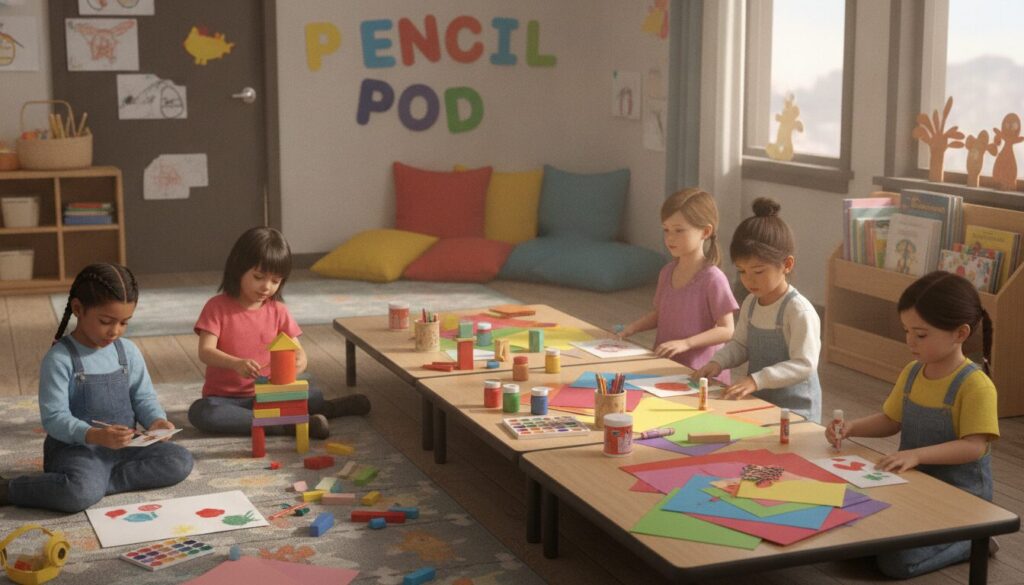
Doing educational indoor activities is a great way to spark a child’s imagination. It helps build their confidence. You don’t need to spend a lot of money. Many things you can use are already at home.
Storytelling With Puppets and Homemade Props
Puppet play lets kids try on different roles and express feelings safely. It boosts their language skills and helps them understand social cues. They get to tell their own stories.
Materials, Setup, and Confidence-Building Prompts
You can make puppets from old socks, paper bags, or wooden spoons with markers. Create a stage with a cardboard box or a blanket. This helps kids feel like they’re on a real stage.
- Start with simple questions like, “What do you think the bear will do next?”
- Encourage kids to come up with their own story endings.
- Focus on the fun of telling stories, not just the plot.
Open-Ended Drawing With Crayons, Paint, and Recycled Materials
Art is key in educational indoor activities for kids to express themselves. Offering different materials lets them explore without worrying about making mistakes.
Ways to Value Process Over Perfect Results
It’s important to praise the effort kids put into their art, not just the result. This teaches them that their ideas are valuable, no matter how they turn out.
“The creative process is a journey of discovery where every mark on the paper represents a new thought or feeling.”
Use recycled materials like cardboard or old magazines to make drawings more interesting. This teaches kids to be creative with what they have.
Music, Movement, and Freeze-Dance Games
Music and movement help kids release energy and improve coordination. They also help with listening skills. These activities are great for daily routines.
How Preschoolers Can Make Choices and Lead the Group
Freeze-dance games give kids control, which boosts their confidence. Let them decide when the music starts and stops. This helps them develop leadership skills.
- Let the child pick the music.
- Encourage them to show off their dance moves.
- Change who leads the game so everyone feels included.
By letting kids make choices, you show them their opinions matter. This builds confidence in both home and school settings.
Educational Indoor Activities for Learning Through Play
You can turn your living room into a classroom with items from home. These indoor activities for toddlers make learning fun. They help kids learn math and reading through play.
Sorting and Counting With Everyday Household Objects
Sorting helps kids understand how things are related. Use items like spoons, socks, or pasta for sorting games.
Simple Math Skills to Practice at Home or School
Have your child sort items by size, color, or texture. This builds a strong math foundation. Consistency is key, so make it part of your daily routine.
“Play is the highest form of research.”
Letter and Sound Hunts Around the Room
Learning to read is fun when kids explore their space. Hide magnetic letters or flashcards for your child to find. These indoor activities for toddlers make reading exciting.
Adapting the Activity for Different Learning Levels
Adjust the activity to fit your child’s level. Beginners can start with single letters. More advanced learners can find objects that start with a specific sound.
Shape, Color, and Pattern Challenges
Visual recognition is key in early learning. Use blocks or containers to create patterns. This helps kids recognize sequences and structures.
Turning Early Learning Goals Into Playful Tasks
Keep learning fun, not a test. Use the table below to add these goals to your day:
| Activity Type | Learning Goal | Simple Task |
|---|---|---|
| Sorting | Classification | Group socks by color |
| Counting | Number Sense | Count spoons in a drawer |
| Patterning | Logical Thinking | Red block, blue block, red block |
Make learning fun and spontaneous. Celebrate their efforts, not just the results.
Indoor Activities for Toddlers and Preschoolers to Build Independence
Helping young children feel capable starts with creating special environments. By adding preschool activities to their day, caregivers boost their decision-making and confidence. These activities help kids take charge and face challenges.
Pretend-Play Centers for Home and Classroom Use
Imaginative play is key for growing social skills and communication. It lets kids practice empathy and solve problems in a safe space.
Ideas for Grocery Stores, Clinics, Kitchens, and Travel Counters
Turning a room corner into a play area is great for learning. You can create a grocery store or clinic with simple items. These setups help kids learn to work together and talk clearly.
“Play is the highest form of research.”
Practical Life Stations With Safe, Age-Appropriate Tasks
Learning practical skills is crucial for self-reliance. Preschool activities improve motor skills and teach the value of helping out.
Folding, Pouring, Transferring, and Organizing Activities
Tasks like folding towels or pouring water give kids a sense of pride. Organizing toys teaches them to keep their space tidy. These activities are highly effective because they show quick results.
Choice Boards That Help Children Plan Their Play
Choice boards let kids plan their play. This approach boosts their independence while keeping them on track.
Offering Structure Without Taking Over
It’s important to guide without controlling too much. When adults step back, kids learn to think critically and make their own choices. Offering a few good options helps them explore safely.
Creative Indoor Activities for Children to Strengthen Confidence
Creative indoor activities help kids build resilience and emotional smarts. Through play, they learn to face challenges and share their feelings clearly. This boosts their confidence in all areas of life.
Building Challenges With Blocks, Cups, and Cardboard
Building with blocks, cups, and cardboard teaches kids the value of persistence. They learn to balance and test structures as they build.
Encouraging Experimentation After a Structure Falls
When a tower falls, it’s a valuable learning moment. Encourage your child to figure out why it fell. This helps them learn to try again and overcome obstacles.
“The greatest glory in living lies not in never falling, but in rising every time we fall.” — Nelson Mandela
Indoor Obstacle Courses With Problem-Solving Missions
Turning a living room into an obstacle course boosts spatial awareness and thinking. Kids must navigate around furniture and under blankets to reach goals.
Adjusting Movement Activities for Small Spaces
You don’t need a big hall for an obstacle course. Use masking tape for balance beams or set “safe zones” for jumping. This teaches kids to adapt to their space.
Collaborative Collages and Group Art Projects
Working on a mural or collage shows the power of teamwork. Kids see how different ideas make something better.
Teaching Turn-Taking, Cooperation, and Respect for Ideas
Art sessions teach patience and respect. Encourage kids to ask before using a color and wait for others. This builds kindness and respect.
Mindful Breathing and Feelings-Based Art
Art helps kids manage their feelings. Drawing their emotions helps them understand and express their needs.
Helping Preschoolers Name Emotions Through Color and Drawing
Ask your child to choose a color that shows how they feel. This helps them develop an emotional vocabulary. Linking colors to feelings lets them share complex emotions safely and creatively.
Conclusion
Engaging children in meaningful play turns everyday moments into learning chances. These indoor activities for preschoolers mix creativity with important skills.
You can make these ideas work in any home or classroom with items you already have. Use LEGO blocks or recycled cardboard to support your child’s journey.
Focus on the journey, not just the end result, to boost your child’s confidence. Ask questions that let them share their thoughts and findings.
Letting children choose what they learn helps them feel in control. This freedom builds independence and a love for exploring. Watch as they grow, curious and joyful.
Share your favorite play moments with other parents or teachers. Your efforts help build a supportive community. This support is key to your child’s future success.
About Preschool Indoor Activities
Preschool indoor activities provide children with engaging opportunities to learn, explore, and develop essential skills in a safe and comfortable environment. At PencilPod, we encourage purposeful play through creative, educational, and age-appropriate activities that support children’s physical, cognitive, social, and emotional development.
Our indoor activities for toddlers and preschoolers include creative play, pretend play, movement activities, building exercises, art projects, and problem-solving games. These activities help children develop confidence, independence, communication, coordination, and creativity while keeping learning enjoyable.
For children and families in Wakad, well-planned indoor activities can provide meaningful learning experiences regardless of weather or available outdoor space. PencilPod focuses on creating a supportive environment where children can learn through play, interact with others, and build skills at their own pace.